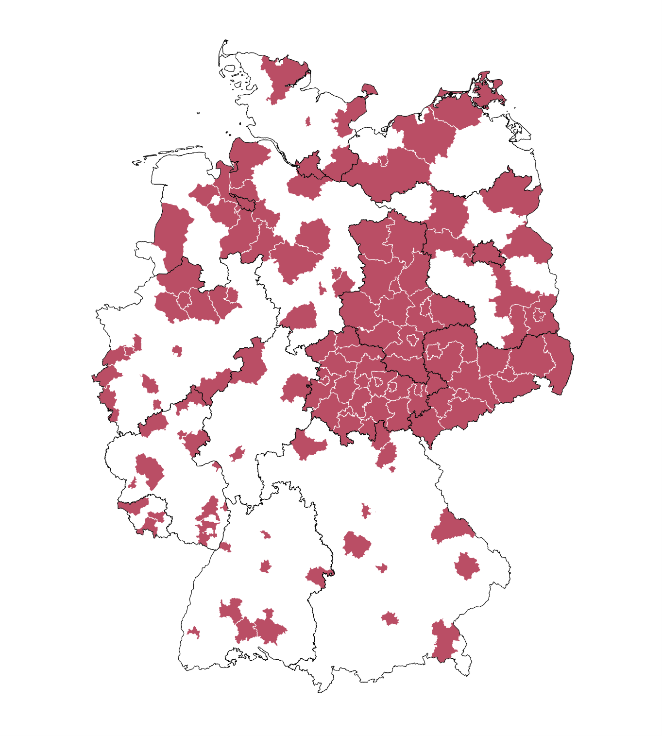
In our latest publication on the DigiHero study, the focus is, for a change, not on a specific health-related research question, but on the research project as a whole. We provide a detailed account of how our research has been established and developed: How and in which regions were our participants recruited? What are their demographic characteristics (e.g. their average age)? How frequently are surveys conducted, what topics do they cover, and what key findings have been achieved so far? This publication is intended to help other researchers gain an overview of DigiHero and identify potential opportunities for collaboration.
From a Regional COVID-19 Project to a Nationwide Long-Term Study
DigiHero was originally launched in Halle in 2021 to rapidly collect data on the COVID-19 pandemic. Today, the study includes more than 120,000 participants from across Germany and covers a broad range of research topics, from chronic diseases and mental health to lifestyle and healthy ageing. To date, more than 4 million households have been invited by post (Figure 1).
Unlike traditional studies, DigiHero operates entirely digitally. Surveys can be completed flexibly using a smartphone, tablet, or computer. This not only saves paper but, above all, allows us to respond extremely quickly to current health-related research questions. So far, we have published more than 20 scientific articles based on DigiHero data and presented our findings at numerous conferences.
Looking Ahead: What Comes Next?
DigiHero is designed as a long-term research platform. In the future, we aim to incorporate data from fitness trackers (e.g. on sleep and physical activity). We are also placing greater emphasis on involving the public by enabling participants to actively contribute to decisions about which health topics we should investigate next.
Alongside data collection, an entire research team is working on new publications, covering topics such as media use and well-being, healthcare provision for patients with Long COVID, and fatigue in the general population.
We would like to sincerely thank all participants for their support and look forward to many more exciting years with the DigiHero study!
You can find the original English-language publication here: